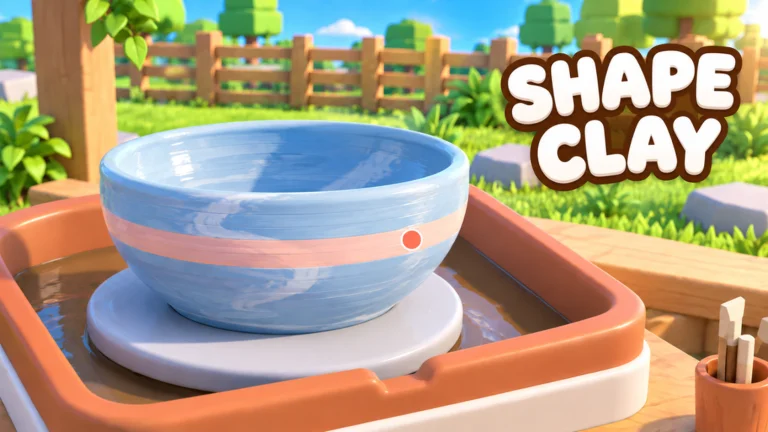
- How to make a pot in Create Pottery: shape clay on the Pottery Wheel, glaze it, fire it in the Kiln, then sell it.
- Shaping matters most: center and stabilize the form before refining the rim or narrowing the neck.
- Glaze adds value: apply an even finish that matches the shape and intended sale price.
- Kiln completes the piece: only fired pottery can be evaluated and sold in your shop.
- Clay choice affects income: save rarer Clay for high-value production runs.
How to Make a Pot in Create Pottery: The Core Workflow
In Create Pottery by Team Lychee, every pot follows the same production chain: Clay, Pottery Wheel, Glaze, Kiln, and finally the Shop. Mastering that sequence is the fastest way to build a dependable income and eventually grow a full pottery studio with employees and phone Jobs.
Video Highlights:
- The complete loop runs from Clay collection through firing and sale.
- Shape control comes before decoration; a bad form cannot be fixed by glaze.
- Finished pots fund upgrades, hiring, and rare Clay processing.
No confirmed official trailer is currently available, so we focus on the verified workflow from the official Create Pottery Roblox page.
| Stage | What You Do | Why It Matters |
|---|---|---|
| Clay | Collect material, roll for rare types | Determines the pot's potential value |
| Pottery Wheel | Shape the form | Defines silhouette, stability, and appeal |
| Glaze | Add color and finish | Improves presentation before firing |
| Kiln | Fire the piece | Turns work-in-progress into a finished item |
| Shop | Sell the pot | Funds upgrades and studio expansion |
Complete the full cycle before selling. A shaped but unfired or unglazed pot cannot reach its maximum value in the shop.
Step-by-Step: Shaping a Pot on the Wheel
The wheel is where most beginner mistakes happen. Work through these five steps in order and resist the urge to rush toward decoration.
Center the clay on the Pottery Wheel
Place the clay and keep the form centered while the wheel spins. A centered start reduces uneven walls, leaning rims, and distortion later. Make gradual adjustments instead of sudden changes.
Build the main shape
Raise the clay and control the base, body, shoulder, and opening as separate zones. A wider base gives a more stable look, and both sides of a symmetrical vessel should stay visually balanced.
Refine the rim and surface
Check the rim from multiple angles for uneven height, remove bumps and sharp transitions, and preserve intentional decorative details. Small corrections now are far easier than repairs after glazing.
Apply Glaze
Add the final color and surface treatment. Inspect the whole piece before confirming, and pick a finish that supports the shape and the price you want. Glaze is not a fix for an unstable form.
Fire in the Kiln and sell
Place the glazed pot in the Kiln to finish it, then move it into the shop workflow. Repeat your best shape-and-finish combinations to build a reliable production routine.
Avoid making the neck or rim too thin before the lower body is complete. If the shape starts to lean, correct the body before continuing upward.
Clay and Glaze: Choosing Materials That Raise Pot Value
Not every pot deserves your best materials. Judge Clay by rarity, acquisition difficulty, and selling value, then match your glaze choices to the piece you intend to sell.
S Tier - Premium Clay
- Highest value
- Hard to obtain
- Save for high-value production runs
A Tier - Rare Clay
- High production value
- Use selectively on valuable pieces
B Tier - Uncommon Clay
- Moderate value
- Process regularly for steady income
C Tier - Common Clay
- Low value, easy to get
- Spend freely while learning the workflow
| Material | Best Use | Priority |
|---|---|---|
| Premium Clay | High-value pottery, premium runs | Keep whenever possible |
| Rare Clay | Valuable pots when firing capacity allows | Use selectively |
| Uncommon Clay | Regular income and progression | Process regularly |
| Common Clay | Early-game pots, routine sales | Spend freely |
Use your most valuable glazes on pieces made from rare or premium Clay. Wasting a premium finish on a routine low-value pot lowers your overall profit per session.
Selling Your Pot: Turning Production Into Income
A finished pot only earns money when it moves through the shop. Compare your output against customer demand, and let sales fund the next cycle of materials and upgrades.
| Phase | Income Focus | Recommended Action |
|---|---|---|
| Early game | Sell every finished pot, do phone Jobs | Build cash flow with the full pottery cycle |
| Mid game | Higher-value Clay and Jobs | Reinvest sales into production upgrades |
| Late game | Premium pots, shop revenue, employees | Run multiple income channels with staff support |
Before Selling a Pot, Confirm:
- The shape is centered, stable, and free of unwanted bumps
- The rim is even when viewed from multiple angles
- Glaze was inspected over the entire surface before firing
- The Kiln stage is fully complete
- Rare or premium Clay was not spent on a routine piece
Check the phone Jobs menu before each production session. Shaping, glazing, firing, and selling actions can often progress an active Job at the same time, doubling the value of one session.
FAQ
Q: How do I make a pot in Create Pottery?
Collect Clay, center it on the Pottery Wheel, build and refine the shape, apply Glaze, fire the piece in the Kiln, and sell the finished pot in your shop. Completing the entire cycle is what turns raw material into income.
Q: Can glaze fix a badly shaped pot?
No. Glaze is a finishing treatment, not a repair tool. Correct leaning walls, uneven rims, and surface bumps at the wheel stage before moving to glazing and firing.
Q: Should I use rare Clay on every pot?
No. Reserve rare and premium Clay for high-value pieces. Use common Clay for early-game pottery, routine sales, and practicing the shaping workflow.
Q: When can I sell a pot in Create Pottery?
Only after the Kiln stage is complete. Once fired, the pot becomes a finished item that can be evaluated and sold, with proceeds going toward materials, upgrades, and employees.