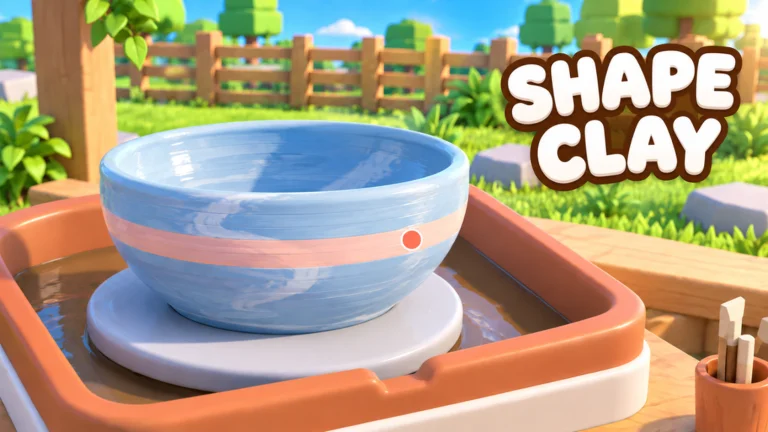
- Create Pottery kiln upgrade decisions should follow your studio's biggest bottleneck, not price alone
- Firing capacity matters most once shaped pottery piles up faster than the kiln can finish it
- Production upgrades generally beat cosmetic options early in the game
- Balance kiln speed with shop sales so finished pieces do not sit unsold
- Reinvest pottery income into the next bottleneck instead of hoarding cash
Why the Kiln Upgrade Matters
The kiln is the final station in the Create Pottery production chain. Every piece you shape on the pottery wheel and glaze must pass through the kiln before it can be sold in your shop. That means the kiln acts as a gate: no matter how fast you shape or glaze, your income is capped by how quickly finished pieces come out of firing.
Early in the game, a basic kiln handles your small output without problems. As your shaping improves, clay gets rarer, and phone Jobs demand more finished pottery, the firing stage often becomes the choke point of the whole studio. Recognizing when the kiln is your bottleneck—rather than the wheel, the shop, or customer traffic—is the core skill behind smart kiln upgrading.
| Production Stage | What It Does | Can It Be Upgraded? | Common Bottleneck? |
|---|---|---|---|
| Pottery Wheel | Shapes clay into a base form | Yes | Early game |
| Glaze Station | Adds color and finish | Yes | Mid game |
| Kiln | Fires glazed pieces into sellable items | Yes | Mid to late game |
| Shop Counter | Sells finished pottery to customers | Yes | Variable |
| Phone Jobs | Provides extra tasks and rewards | No | Rarely |
Before buying a kiln upgrade, watch one full production session. If shaped and glazed pottery is waiting in line at the kiln, upgrade the kiln. If finished pottery is stacking up unsold at the shop, spend on sales efficiency instead.
Kiln Upgrade Priorities by Game Stage
The right kiln investment depends on where your studio stands. A starter studio wasting money on high-end firing capacity it cannot feed is just as inefficient as a late-game business still running a starter kiln. Use the stage breakdown below to match purchases to your actual output.
| Game Stage | Studio Situation | Kiln Priority | Recommended Focus |
|---|---|---|---|
| Early Game | Small output, learning the wheel | Low | Keep cash for clay and basic production |
| Mid Game | Steady shaping, pottery waiting to fire | High | Increase firing capacity and speed |
| Late Game | Rare clay runs, high-value orders | High | Max firing throughput to feed shop sales |
| Expansion | Shop bigger than production | Medium | Balance kiln output with customer demand |
Throughput Upgrades
- Higher priority for busy studios
- Finishes more pieces per session
- Pairs well with frequent phone Jobs
Speed Upgrades
- Best for active players
- Shorter waits between firing cycles
- Ideal when you play in short sessions
Capacity Upgrades
- Best for batch production
- Queue multiple pieces at once
- Fits AFK-friendly playstyles
A top-tier kiln cannot pay for itself if your pottery wheel output is still slow. In the early game, fund clay, shaping practice, and basic shop upgrades before committing large sums to firing capacity.
Step-by-Step: Upgrading Your Kiln the Right Way
Follow this sequence whenever you plan a kiln upgrade. It keeps your spending tied to real bottlenecks and protects your cash flow at every stage of the game.
Track Your Firing Queue
Play two or three normal sessions and note how often finished pieces wait for the kiln. A consistently full queue is the clearest signal that a kiln upgrade is due.
Confirm the Kiln Is the Bottleneck
Compare the queue against your shop shelves. If unsold pottery is also piling up, sales efficiency may deserve the money first. Upgrade the stage that actually stalls your income.
Save Enough to Stay Safe
Keep a cash reserve for clay and routine production after the purchase. An upgrade that stops your daily crafting loop costs more than it saves.
Buy the Upgrade That Matches Your Playstyle
Active players benefit most from speed, while batch producers benefit from capacity. Choose the option that fits how you actually play.
Reassess After Each Purchase
Run another session after upgrading. If the queue cleared but sales now lag, shift your next investment toward the shop side of the business.
A faster kiln is most profitable when it fires high-value pieces. Save rare and premium clay for periods when your firing capacity can handle serious production runs.
Kiln Upgrades vs. Other Studio Investments
Kiln upgrades compete with every other investment in your studio. The comparison table below shows how firing upgrades stack up against the other major spending areas so you can judge trade-offs at a glance.
| Investment Area | Main Benefit | Best Purchase Timing | Risk If Bought Too Early |
|---|---|---|---|
| Kiln upgrade | Higher firing throughput | When firing queue is full | Wasted capacity, slow returns |
| Pottery wheel upgrade | Faster, better shaping | When shaping limits output | Overproduces unfired pieces |
| Shop expansion | Room for more sales | After production is stable | Empty shelves, weak income |
| Sales efficiency | Faster customer turnover | When finished items pile up | Underused if stock runs dry |
| Employees | Automated routine work | When income supports wages | Ongoing cost hurts progression |
A healthy studio keeps shaping, glazing, firing, and selling roughly in sync. Any single stage far ahead of the others means money was spent where it cannot generate returns yet.
Late-Game Kiln Strategy and Employee Synergy
In the late game, your kiln becomes part of a larger machine. Employees can keep routine production moving while you focus on shaping premium pieces, completing phone Jobs, and planning expansions. At this scale, kiln throughput directly limits how much of your automated workflow actually converts into income.
| Late-Game Action | How the Kiln Supports It | Recommended Order |
|---|---|---|
| Rare clay production runs | High throughput finishes premium batches faster | Upgrade kiln first |
| High-value phone Jobs | Fast firing guarantees job-ready pieces on time | Upgrade kiln first |
| Shop expansion | Reliable stock keeps new shelves filled | Kiln and shop together |
| Employee hiring | Staff keep queue fed while kiln processes | Kiln before extra staff |
| Business-scale upgrades | Raises the ceiling of the whole operation | After core kiln tiers |
Check the Jobs menu on your phone before a big firing session. Production-related Jobs often complete naturally while your upgraded kiln processes a full batch, doubling the value of the same session.
Kiln Upgrade Milestones:
- Confirm the firing queue is consistently full before upgrading
- Keep a cash reserve for clay after every purchase
- Match upgrade type (speed or capacity) to your playstyle
- Reinvest firing income into the next studio bottleneck
- Combine rare clay runs with upgraded kiln throughput
- Recheck Jobs before every large production session
FAQ
Q: When should I buy my first kiln upgrade in Create Pottery?
Buy your first kiln upgrade when shaped and glazed pottery regularly waits in the firing queue. If your output still fits comfortably through the basic kiln, spend on clay, shaping, or basic shop features instead.
Q: Is a kiln upgrade better than a shop upgrade?
It depends on the bottleneck. A kiln upgrade helps when production stalls at firing, while shop upgrades help when finished pieces stack up unsold. Watch one full session and invest in whichever stage actually limits your income.
Q: Does a faster kiln increase pottery value?
The kiln turns prepared pieces into finished items; the value mainly comes from clay quality, shaping, and glaze choices. A kiln upgrade improves throughput and income volume rather than the price of each individual piece.
Q: Should employees come before or after kiln upgrades?
Upgrade the kiln first in most cases. Employees are most valuable once production throughput is high enough that routine work genuinely needs automation. Hiring too early adds ongoing costs your income may not support yet.