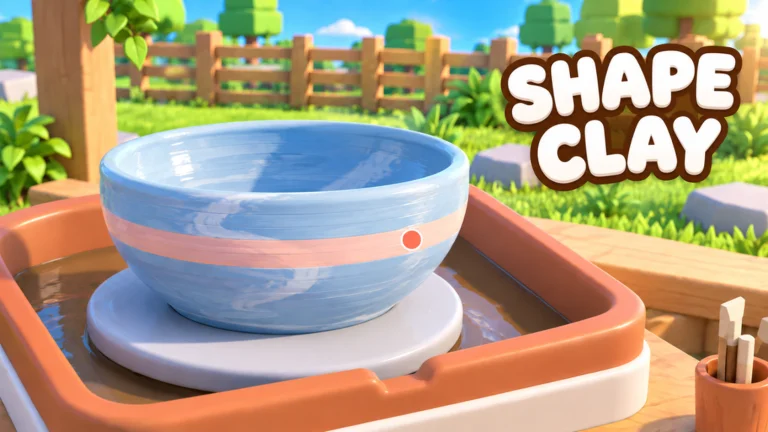
- Create Pottery kiln: The final production stage that turns shaped, glazed pieces into finished pottery.
- Fire only complete pieces: Shape and glaze must be finished before firing starts.
- Batch your firing: Plan production order when processing multiple items at once.
- Rare clay belongs in the kiln: Save premium clay for high-value fired pieces.
- Sell after firing: Only finished, fired pottery is ready for shop sales and Jobs.
Create Pottery Kiln Basics: What Firing Does
The Create Pottery kiln is the last step in the crafting loop built around the official Roblox game by Team Lychee. After you collect Clay, shape it on the Pottery Wheel, and apply Glaze, the kiln transforms the prepared piece into a finished item that can be sold in your shop, used for phone Jobs, and turned into steady income.
| Kiln Role | What It Means | Why It Matters |
|---|---|---|
| Final production stage | Converts glazed pieces into finished items | Unlocks selling and Jobs |
| Value checkpoint | Firing completes the piece's appearance | Better shapes and glazes sell for more |
| Workflow gate | Pieces must be shaped and glazed first | Prevents wasted rare Clay |
| Production rhythm | Firing order shapes your session flow | Batching keeps income steady |
Think of the full loop as: Clay > Pottery Wheel > Glaze > Kiln > Shop. The kiln only accepts fully prepared pieces, so never rush a piece into firing before the shape is corrected.
Kiln Firing Walkthrough: Step-by-Step
Follow this sequence to take a piece from raw clay to a fired, sellable product without wasted materials.
Confirm the Shape Is Final
Fix leaning rims, uneven walls, and bumps on the Pottery Wheel before anything else. Corrections are far easier before glazing and firing, and a stable silhouette is what customers pay for.
Apply Glaze Completely
Add your glaze and decorative finish evenly across the whole piece. Inspect it from every angle before confirming, because the glaze is the surface the kiln locks in.
Load the Kiln
Place the fully prepared pottery into the Kiln. Only shaped and glazed pieces should enter — never send experimental rough forms through the firing stage.
Let the Firing Complete
The kiln turns the prepared piece into a finished item. Avoid interrupting the stage, and use waiting time to shape the next piece at the wheel.
Move Finished Pieces to the Shop
Once fired, the pottery enters the sales workflow. Compare results across shapes and glazes to learn which combinations earn the most.
Reinvest the Income
Route sale profits into shop upgrades, employees, and better Clay so each firing cycle produces more value than the last.
Do not treat glaze as a fix for a bad shape. A poorly centered or unstable piece will still look wrong after firing, and you will have burned through material for a low-value result.
Kiln Efficiency by Progression Stage
Your firing strategy should change as your studio grows. Early on, the goal is a steady flow of simple finished pieces; later, the kiln becomes the engine that converts rare Clay into premium products.
| Stage | What to Fire | Best Practice | Income Focus |
|---|---|---|---|
| Early Game | Common Clay pieces | Fire every finished piece and sell it | Dependable cash flow |
| Mid Game | Uncommon and Rare Clay | Reserve rare Clay for pieces with strong glazes | Higher sale value per firing |
| Late Game | Rare and Premium Clay | Combine kiln output with employees and shop systems | Multi-channel income |
Early Studio
- Fire common Clay freely
- Learn the full wheel-to-kiln loop
- Sell everything to build savings
Growing Studio
- Batch firing sessions
- Save rare Clay for high-value runs
- Match glazes to clay rarity
Established Business
- Employees keep the kiln fed
- Premium Clay only for top pieces
- Reinvest in shop expansion
Plan your production order before starting a session: shape several pieces first, glaze them in one pass, then fire them together. This keeps the kiln working instead of sitting idle between single pieces.
Common Kiln Problems and Fixes
Most disappointing kiln results trace back to mistakes made before firing, not during it. Use this table to diagnose problems quickly.
| Problem | Likely Cause | Fix |
|---|---|---|
| Piece looks wrong after firing | Shape errors, leaning rim | Correct the form at the wheel before glazing |
| Uneven glaze appearance | Rushed or partial glaze application | Inspect the whole piece before confirming |
| Low sale price | Common Clay or plain finish | Pair rarer Clay with better glaze choices |
| Production stalls | Firing one piece at a time | Batch shaping, glazing, and firing |
| Wasted rare Clay | Fired experimental forms | Practice shapes with common Clay first |
Before Every Firing Session:
- Shape is centered, balanced, and rim-checked
- Glaze applied evenly and confirmed
- Rare Clay saved for high-value pieces only
- Multiple pieces batched for efficient firing
- Shop has room to sell incoming finished pottery
Repeat your most profitable shape-and-glaze combinations. Building a reliable production routine around proven kiln results is more valuable than constant experimentation.
FAQ
Q: Can I fire pottery before applying glaze in Create Pottery?
You should complete both shaping and glazing before using the kiln. The kiln stage finishes a fully prepared piece, and firing an unfinished piece wastes the material for a low-value result.
Q: What causes a Create Pottery kiln piece to turn out badly?
Almost all bad results come from earlier stages: a leaning shape, uneven rim, or patchy glaze. The kiln locks in whatever you send into it, so fix problems at the wheel and during glazing first.
Q: When should I put rare Clay through the kiln?
Save rare and premium Clay for pieces with a well-refined shape and a glaze that suits the form. Processing rare Clay on routine, simple pieces is one of the most common efficiency mistakes.
Q: Does firing affect how much pottery sells for?
Yes — firing completes the piece, and only finished pottery can be sold in the shop or used for phone Jobs. Better shapes and glaze choices produce higher-value results after the kiln stage.