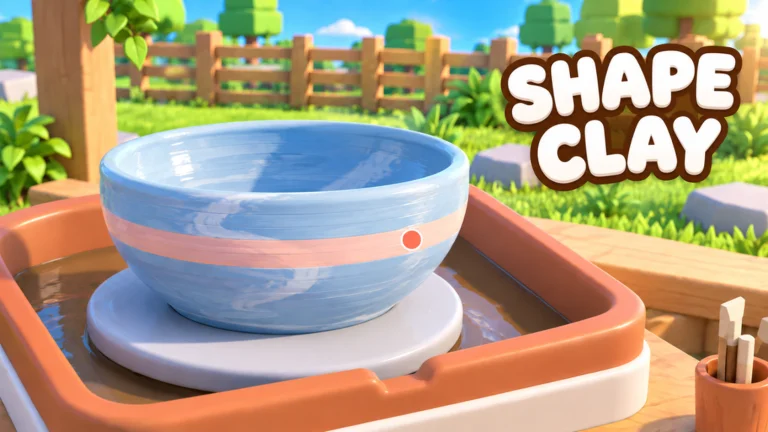
- Create Pottery best glaze choices depend on shape, clay tier, and intended sale value.
- Glaze comes after shaping: never use it to hide a poorly built form.
- Inspect before confirming: check the whole piece so the finish looks even after firing.
- Match glaze to clay tier: save premium finishes for rare clay and high-value pottery.
- Repeat winning combos: track which shape + glaze pairs sell best in your shop.
How Glaze Works in Create Pottery
In Create Pottery, glazing is the finishing stage between shaping and kiln firing. Once your piece has a stable form from the Pottery Wheel, glaze adds the final color and surface treatment. The finish you choose affects the presentation of the pottery, which influences how attractive and valuable the finished piece appears when it reaches your shop.
The key principle: glaze is a finishing tool, not a fix. An unstable or unbalanced shape will still look flawed no matter which glaze you apply. Refine the rim, smooth the walls, and balance the silhouette first — then apply the finish.
| Stage | Action | Glaze Consideration | | Shaping | Build form on the Pottery Wheel | No glaze yet; focus on a stable, balanced shape | | Refining | Smooth rim and outer surface | Fix bumps and uneven edges before finishing | | Glazing | Apply color and surface treatment | Choose a finish that supports the shape and value | | Firing | Complete the piece in the Kiln | Glaze must be final before firing begins | | Selling | Sell in your shop | Track which finishes sell best |
Inspect the entire piece from multiple angles before confirming the glaze. Small visual flaws are much easier to correct before firing than after.
Glaze Selection Criteria: What Makes a Glaze 'Best'
There is no single best glaze for every situation. Judge a glaze by how well it fits your goals for the piece. Use these four criteria when comparing finishes:
Appearance
- Even coverage across the whole piece
- Color that suits the pottery's silhouette
- Clean surface after firing
Shape Pairing
- Simple forms suit bold finishes
- Decorative silhouettes suit subtle finishes
- Match finish weight to shape detail
Clay Tier
- Common clay: routine finishes are fine
- Rare clay: use stronger, premium finishes
- Premium clay: reserve your best glaze looks
Sale Value
- Track which finished pieces sell fastest
- Compare shape + glaze combinations
- Repeat proven high-value pairings
Avoid treating glaze as a substitute for good shaping. A premium finish on a leaning, lopsided vessel rarely produces a strong shop result.
Best Glaze Pairings by Pottery Type
Use this pairing table to pick a finish quickly based on what you are making. These recommendations follow the general principle that the glaze should support — not compete with — the shape.
| Pottery Type | Shape Traits | Recommended Glaze Approach | Result | | Tall vase | Narrow neck, raised body | Subtle, even finish that doesn't fight the silhouette | Elegant, higher perceived value | | Wide bowl | Broad opening, stable base | Bolder color on the interior surface | Eye-catching display piece | | Round pot | Balanced sphere body | Single consistent tone, minimal contrast | Clean, classic look | | Decorative piece | Unusual or asymmetric form | Simple finish that highlights the shape's details | Details stay visible | | Standard shop stock | Routine symmetrical vessel | Fast, reliable everyday finish | Quick turnover production | | Premium clay piece | Any refined form | Best available finish, inspected before firing | Maximum sale potential |
Save your strongest glaze choices for pieces made from Rare or Premium clay. Using a premium finish on common clay for routine stock reduces the return you get from your best materials.
Step-by-Step: Glazing for Maximum Value
Finish the shape first
Complete the Pottery Wheel stage, refine the rim, and smooth the outer wall. Correct any leaning or uneven areas before moving on — glaze cannot repair structure.
Choose the glaze to match the piece
Pick a finish based on the pairing table above: subtle for decorative shapes, bolder for simple forms, and your best finish for rare or premium clay.
Apply consistently
Apply the glaze so the surface appears even across the entire piece. Uneven application is the most common reason a finished piece underperforms in the shop.
Inspect from every angle
Rotate your view and check the rim, body, and base. Confirm the finish supports the silhouette before committing.
Fire in the Kiln
Only start firing once the shape and glaze are both final. The kiln turns the prepared piece into a finished, sellable item.
Sell and track results
Sell the finished pottery, note which shape + glaze combinations sold well, and repeat those pairings to build a reliable production routine.
Repeat successful combinations. Once you identify a shape and glaze pairing that sells consistently, it becomes the backbone of your daily income — experiment only after your core production cycle is stable.
Glaze Workflow Checklist
Before Every Glaze Session:
- Shape is stable, balanced, and refined at the rim
- Glaze choice matches the pottery shape and clay tier
- Premium finishes reserved for rare or premium clay
- Whole piece inspected from multiple angles before confirming
- Firing started only after shape and glaze are final
- Sale results recorded for future pairing decisions
FAQ
Q: What is the best glaze in Create Pottery?
There is no single best glaze. The best choice depends on the pottery's shape, the clay tier, and your sale goals. Subtle finishes suit decorative forms, bolder finishes suit simple shapes, and your strongest glaze should be saved for rare or premium clay pieces intended for high-value sales.
Q: When should I apply glaze in the pottery process?
Glaze is applied after shaping and refining the piece on the Pottery Wheel, and before firing it in the Kiln. Make sure the shape is stable and the surface is smooth first, because glaze cannot fix structural or shaping problems.
Q: Can glazing fix a badly shaped pot?
No. Glaze is a finishing treatment, not a repair tool. If the piece leans, has uneven walls, or a rough rim, correct those issues at the shaping stage. A premium finish on a poor shape rarely produces a strong shop result.
Q: How do I know which glaze combinations sell best?
Track your shop results. After selling finished pieces, note which shape and glaze pairings moved fastest or earned the most, then repeat those combinations. Over time this builds a reliable, high-value production routine.