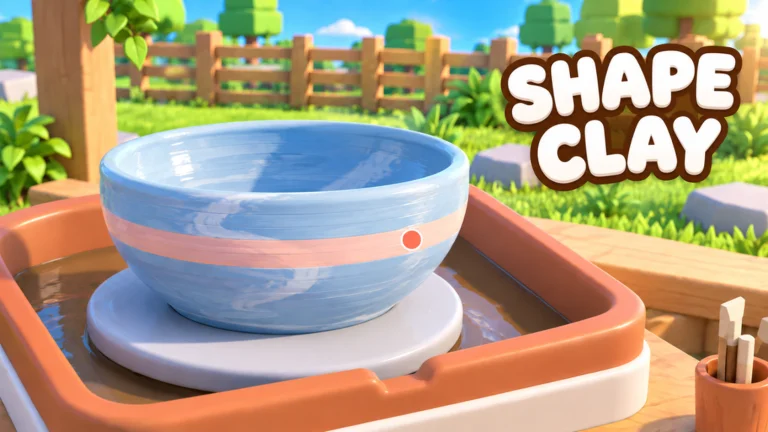
- Create Pottery beginner guide: Master the full loop from Clay to sold pottery.
- Core workflow: Get Clay, shape on the Pottery Wheel, glaze, fire in the Kiln, sell.
- Early income: Sell finished pottery and complete phone Jobs for steady cash.
- Gem rule: Save Gems for shop upgrades instead of low-impact spending.
- Employee timing: Delay hiring until your production and sales loop is stable.
Create Pottery Beginner Guide: The Core Loop
Create Pottery, made by Team Lychee on Roblox, is a relaxing pottery simulator built around one repeatable cycle: collect Clay, shape it on the Pottery Wheel, apply Glaze, fire the piece in the Kiln, and sell the result in your shop. Understanding this loop first makes every other system — Gems, phone Jobs, employees, and shop upgrades — much easier to learn.
The six stages of the loop, at a glance:
| Stage | Action | Purpose | Beginner Priority |
|---|---|---|---|
| 1 | Get Clay | Secure material for crafting | Always keep stock |
| 2 | Shape on Wheel | Build a stable form | Foundation skill |
| 3 | Apply Glaze | Add color and finish | Before firing only |
| 4 | Fire in Kiln | Complete the piece | Required to sell |
| 5 | Sell in Shop | Earn cash | Main early income |
| 6 | Jobs / Gems / Employees | Grow the business | Mid-game systems |
Use Common Clay for your first pieces. Learn the full wheel-to-sale cycle before touching rarer Clay, which is better saved for high-value pottery later.
Step-by-Step: Making Your First Pot
Follow this sequence every time you craft. Small corrections early in shaping are far easier than repairs after glazing or firing.
Center the Clay on the Wheel
Place your Clay on the Pottery Wheel and keep the form centered while it spins. A centered start reduces uneven walls, leaning rims, and distortion. Make gradual adjustments rather than changing the shape too quickly.
Build the Main Shape
Raise and shape the clay into your desired form, treating the base, body, shoulder, and opening as separate areas. A wider base looks more stable; keep both sides balanced for symmetrical vessels, and avoid thinning the neck before the lower body is done.
Refine the Rim and Surface
Finish the opening and smooth the outer wall before moving on. Check the rim from multiple angles for uneven height, and remove bumps or sharp transitions. Preserve intentional details on decorative silhouettes.
Apply Glaze
Add glaze for the final color and surface treatment. Inspect the whole piece before confirming, and pick a finish that supports the shape and intended sale value. Glaze is not a fix for a poorly shaped form.
Fire in the Kiln
Place the glazed piece in the Kiln to complete production. Only fully fired pottery can be evaluated and sold, so confirm shape and glaze before this stage.
Sell and Reinvest
Move finished pottery into the shop workflow and use the income to fund Clay, upgrades, and eventually employees. Compare results to learn which shapes and finishes sell best.
Do not sell unfired pieces — they cannot leave the Kiln stage incomplete. Do not waste rare Clay on practice runs, and never spend Gems the moment you earn them; shop upgrades compound over time.
Early-Game Money and Gems
New players earn cash primarily by selling pottery and completing phone Jobs. The right focus shifts as your studio grows:
| Stage | Best Methods | Cash Focus | Gems Focus |
|---|---|---|---|
| Early | Sell pottery, phone Jobs, use Common Clay | Build reliable cash flow from the full cycle | Save for useful shop features |
| Mid | Better Clay, higher-value Jobs, shop improvements | Reinvest into production and selling capacity | Spend on repeatable-income upgrades |
| Late | High-value pottery, rare Clay, shop expansion, employees | Run multiple income channels together | Direct toward long-term expansion |
Check the phone Jobs menu before each production session. Tasks that match your routine — making, glazing, firing, or selling pottery — advance almost for free alongside normal play.
Clay choice matters as much as effort. Judge Clay by rarity, acquisition difficulty, and production value together:
| Tier | Clay Type | Rarity | Recommended Use |
|---|---|---|---|
| S | Premium Clay | Highest | Save for high-value production runs |
| A | Rare Clay | High | Use selectively on valuable pieces |
| B | Uncommon Clay | Medium | Regular income and progression |
| C | Common Clay | Low | Spend freely on learning and routine sales |
Shop Upgrades and Employees
Upgrades should remove your current bottleneck, not just add polish. Compare the main categories before spending:
Production Capacity
- High early priority
- Handles more pottery output
- Buy when pieces pile up unsold
Sales Efficiency
- High when sales lag
- Moves finished items to customers faster
- Balance with capacity upgrades
Customer Income
- Medium-high priority
- Boosts returns from regular sales
- Best after capacity is solid
Employee timing follows the same logic. In a starting studio, delay hiring until the core loop is stable and income can cover the cost. In a growing studio, hire for whichever stage most often stalls — production or sales. In a busy shop, employees keep routine work moving while you focus on shaping, Jobs, and upgrade decisions.
Save large-scale business upgrades for late game, once core workflow upgrades are in place and income is stable. Early purchases should solve bottlenecks, not raise ceilings.
Beginner Milestones Checklist
Work through these goals in order during your first sessions:
First Week Goals:
- Complete one full wheel-to-sale pottery cycle
- Learn to keep the clay centered on the Pottery Wheel
- Check the phone Jobs menu before every session
- Save Gems for your first meaningful shop upgrade
- Keep rare Clay stored until you can finish high-value pieces
Once these milestones are done, you have the foundation for the mid game: better Clay, shop expansion, and your first employee.
FAQ
Q: What is the first thing I should do in Create Pottery?
Gather Clay and complete one full cycle: shape on the Pottery Wheel, apply Glaze, fire in the Kiln, then sell the finished piece. Learning the complete loop before anything else makes Gems, Jobs, and shop systems much easier to understand.
Q: Should I spend Gems right away?
No. In the early game, save Gems for shop features and upgrades that support repeatable income instead of spending them immediately on low-impact options.
Q: When should I hire my first employee?
Delay hiring until your production and sales loop is stable and regular income can cover the cost. Then hire for the biggest bottleneck — production support if pottery is made too slowly, or sales support if finished pieces are waiting for customers.
Q: Which Clay should beginners use?
Use Common Clay freely for learning and routine sales. Save Rare and Premium Clay for higher-value pottery once you can consistently shape, glaze, and fire quality pieces.