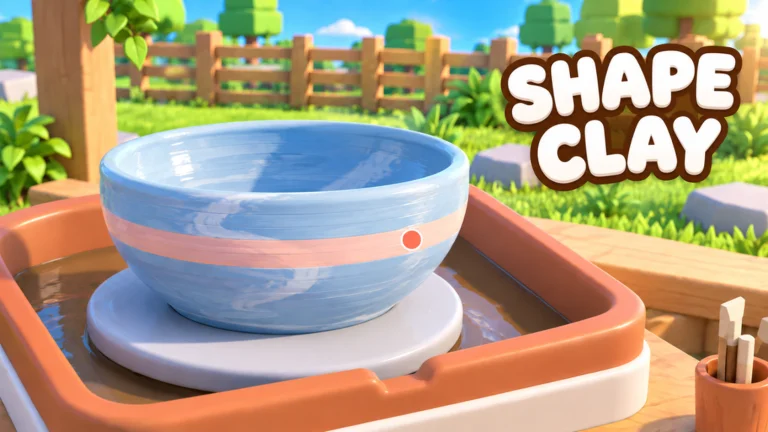
- Selling pottery is the main income source in Create Pottery and funds every upgrade.
- Finished pieces only: complete shaping, glazing, and kiln firing before a sale.
- Rare clay matters: save premium clay for high-value pottery instead of routine pieces.
- Balance production and sales: upgrade whichever stage is your current bottleneck.
- Reinvest profits into shop expansion, employees, and better production capacity.
How Selling Pottery Works
In Create Pottery!, your pottery shop is the engine that turns finished ceramic pieces into cash. Every sale funds new clay, shop upgrades, employees, and studio expansion. A piece only becomes sellable after it moves through the full production cycle: shaping on the pottery wheel, glazing, and kiln firing. Skipping or rushing a stage lowers the value you can command at the counter.
Make sure each piece is fully fired in the kiln. Unfinished or unfired pottery cannot enter the shop workflow, and attempting to sell early wastes the materials you invested.
The core sales loop looks like this:
| Stage | Action | Income Impact |
|---|---|---|
| 1. Collect Clay | Gather or roll for clay, including rare types | Determines the value ceiling of the piece |
| 2. Shape | Center and form the piece on the pottery wheel | Stable, balanced shapes sell better |
| 3. Glaze | Apply color and surface finish | Improves presentation and final price |
| 4. Fire | Complete the piece in the kiln | Unlocks the item for sale |
| 5. Sell | Move finished pottery to the shop | Generates cash for upgrades |
The value of each finished piece depends on the clay used, the quality of the shape, and the glaze applied. Comparing results across several sales is the most reliable way to learn which combinations earn the most in your shop.
Comparing Income Methods
Shop sales are the backbone of your income, but they work best alongside the game's other money systems. Phone jobs add task rewards on top of routine sales, rare clay processing raises the value of each piece, and employees keep the workflow moving when you are away from the wheel.
Shop Sales
- Main income source
- Scales with clay quality and glaze
- Grows through shop upgrades
Phone Jobs
- Bonus rewards
- Overlaps with normal production
- Useful early-game boost
Rare Clay Processing
- Highest value per piece
- Limited supply
- Best saved for premium runs
Here is how each method performs across the game's progression stages:
| Method | Early Game | Mid Game | Late Game |
|---|---|---|---|
| Selling common pottery | Reliable core income | Steady but capped | Routine cash flow |
| Phone jobs | Bonus cash and rewards | Higher-value tasks available | Combine with production routine |
| Rare clay pottery | Occasional windfall | Priority use of rare clay | Premium production runs |
| Shop upgrades | Low priority at first | Medium priority | Key to scaling income |
| Employees | Not recommended | First hire removes bottleneck | Automation for busy shops |
Keep crafting while checking your phone for jobs. One production session can advance sales income and task rewards at the same time instead of treating them as separate activities.
What to Sell and What to Keep
Not every piece should go straight to the counter. The clay tier system gives you a simple framework for deciding what to sell now and what to hold for higher-value work.
| Clay Tier | Rarity | Production Value | Recommended Use |
|---|---|---|---|
| S - Premium Clay | Highest | Highest | Save for high-value pottery and premium runs |
| A - Rare Clay | High | High | Process when glaze and kiln capacity allow |
| B - Uncommon Clay | Medium | Moderate | Regular income and progression |
| C - Common Clay | Low | Low | Early-game sales and learning the workflow |
Follow these steps to build a profitable selling routine:
Stock common clay for cash flow
Use common and uncommon clay for routine pieces that keep money moving while you learn shaping and glazing.
Track which pieces sell best
Note the shape, clay, and glaze of your highest-earning sales, then repeat those combinations.
Reserve rare clay for premium pieces
Only spend rare and premium clay when your shaping is consistent and your glaze choices match the piece's value.
Reinvest every profit cycle
Put sale income back into the upgrade that removes your biggest bottleneck before spending on cosmetics.
Consistent quality builds a dependable income source. Save experimental shapes and unusual glazes for after your basic production cycle is stable.
Shop Upgrades That Boost Sales
Shop upgrades determine how efficiently your studio converts finished pieces into income. The right purchase depends on which part of your workflow is limiting earnings, not on a fixed order.
| Upgrade Area | Priority | Best Time to Buy |
|---|---|---|
| Production capacity | High early | When pieces are produced faster than they can be sold |
| Sales efficiency | High when sales lag | When finished items pile up waiting for customers |
| Shop expansion | Medium | After the basic loop is reliable |
| Customer income | Medium-high | Once customer activity is consistent |
| Overall business scale | Late game | After core upgrades and stable income |
Do not dump every gem and coin into one upgrade category. If production outpaces sales, extra capacity earns nothing until the sales side catches up.
Employees deserve special mention in a selling strategy. Hiring too early drains income, but the right hire at the right time keeps pieces flowing from wheel to counter:
- Starting studio: delay hiring until the core loop is stable and income covers the cost.
- Growing studio: hire for whichever stage most often stalls, production or sales.
- Busy shop: use staff to maintain workflow while you focus on shaping and jobs.
- Established business: upgrade employees only after capacity and demand justify it.
Sales Routine Checklist
Run this checklist each session to keep your shop income efficient:
Daily Selling Routine:
- Check phone jobs before starting a production session
- Stock enough clay for a full crafting cycle
- Complete every piece through shaping, glaze, and kiln
- Compare sale results and note top-earning combinations
- Reinvest profits into the current bottleneck upgrade
Players who reinvest early profits into capacity and sales upgrades consistently out-earn those who hoard cash. Each upgrade compounds by shortening the loop between clay and coins.
Selling FAQ
Q: Can I sell pottery in Create Pottery before firing it?
No. A piece must complete the full workflow of shaping on the pottery wheel, glazing, and kiln firing before it can enter the shop and be sold. Firing is what turns the prepared piece into a finished, sellable item.
Q: What pottery sells for the most?
Pieces made from rare or premium clay generally carry the highest value, especially when paired with a clean, balanced shape and a well-matched glaze. Track your own sales results to identify which combinations earn the most in your shop.
Q: Should I sell rare clay pieces immediately?
It is usually better to save rare and premium clay until your shaping is consistent and your production capacity can support a premium run. Spending rare clay on routine pieces wastes its higher value potential.
Q: When should I hire employees to help with sales?
Hire your first employee once production and customer activity are consistent and income covers the cost. Choose sales or shop support when finished pieces are waiting for customers, or production support when pottery is not being made fast enough.