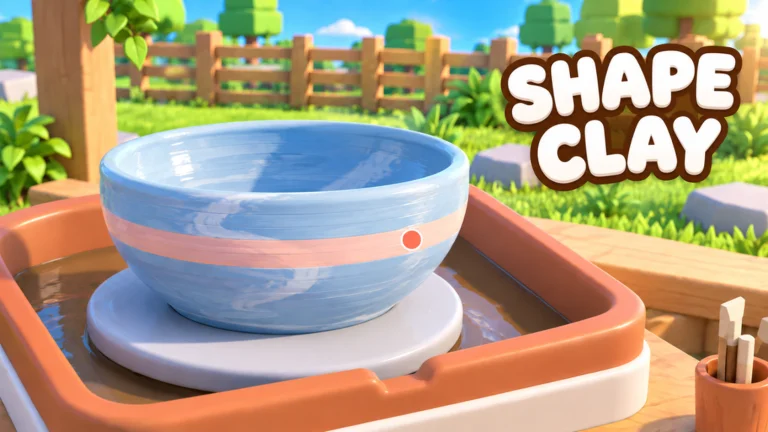
- Open your shop in Create Pottery by selling fired pottery to build your first steady income.
- Match upgrades to bottlenecks: production, sales efficiency, or shop expansion.
- Hire employees only when manual work slows your studio's growth.
- Combine phone Jobs with shop activity to earn extra Gems while you sell.
- Reinvest profits into upgrades before spending on cosmetics.
How Opening a Shop Works in Create Pottery
In Create Pottery, the Roblox pottery simulator by Team Lychee, your shop is the main engine that turns finished pottery into cash. The core loop is simple: gather Clay, shape it on the Pottery Wheel, apply Glaze, fire it in the Kiln, then sell the finished piece. Your shop is where that final step becomes a business.
Before your shop can generate reliable money, every piece must complete the full crafting cycle. Selling unfinished work is not possible, so plan production around what you can realistically fire and finish.
| Shop Stage | What Happens | Main Goal |
|---|---|---|
| Starter shop | Sell basic fired pottery from common Clay | Learn the loop, build first cash |
| Growing shop | Reinvest in upgrades, process better Clay | Raise income per piece |
| Busy shop | Add sales support and employees | Keep workflow continuous |
| Established business | Combine upgrades, staff, and premium output | Scale the pottery empire |
Do not rush to expand. Complete the wheel-to-kiln cycle reliably first — upgrades only pay off when finished pieces are flowing through the shop consistently.
Selling Pottery: What Sells Best
Not every finished piece earns the same. Value depends on the Clay used, the shape quality, and the Glaze finish. Compare what you produce before selling so premium pieces are not dumped at routine prices.
Common Clay Pieces
- Low sale value
- Fast to produce
- Best for early routine income
- Great for practicing shaping
Rare Clay Pieces
- High sale value
- Slower to acquire materials
- Save for well-shaped, glazed items
- Mid-game income driver
Premium Clay Pieces
- Highest sale value
- Reserve for your best work
- Pairs with strong Glaze choices
- Late-game profit engine
| Material Tier | Rarity | Sale Potential | Recommended Use |
|---|---|---|---|
| Premium Clay | Highest | Highest | High-value production runs |
| Rare Clay | High | High | Valuable pottery with good glaze |
| Uncommon Clay | Medium | Moderate | Regular income and progression |
| Common Clay | Low | Low | Early pieces and learning the workflow |
Reserve rarer Clay for pottery with strong selling potential. Using it on routine practice pieces is one of the most common early mistakes.
Shop Upgrades: Step-by-Step Priority
Upgrades determine how effectively your studio converts finished pieces into income. The right order depends on your current bottleneck — buy what unblocks your workflow, not what looks impressive.
Fix production capacity first
If finished pieces are produced faster than you can process or sell them, production capacity upgrades remove the biggest early bottleneck. Prioritize these before cosmetic improvements.
Add sales efficiency when items pile up
When completed pottery accumulates faster than customers buy, invest in sales efficiency so finished items move through the selling process smoothly.
Expand the shop
Once the basic loop is reliable and income is steady, shop expansion bridges the gap between a starter shop and a higher-volume business.
Improve customer income
With consistent customer traffic and enough inventory, customer income upgrades raise the returns from every regular sale.
Scale the whole business
In the late game, invest in overall business scale to raise the ceiling of your studio rather than solving short-term bottlenecks.
| Upgrade Area | Priority | Best Time to Buy |
|---|---|---|
| Production capacity | High early | Output regularly hits production limits |
| Sales efficiency | High when sales lag | Finished items pile up unsold |
| Shop expansion | Medium | Loop is reliable, income steady |
| Customer income | Medium-high | Consistent traffic, good inventory |
| Business scale | Late-game | Core upgrades complete, income stable |
Avoid spending everything in one category. A shop that produces heavily but cannot sell — or sells slowly but has nothing on shelves — wastes money in both directions.
Hiring Employees for Your Shop
Employees reduce manual workload and keep the studio productive as demand grows. Timing matters: hiring too early drains income, while hiring too late leaves production or sales unattended.
| Studio Stage | Hiring Advice |
|---|---|
| Starting studio | Delay hiring; stabilize the core loop and save funds first |
| Growing studio | Hire for the biggest bottleneck — production or sales support |
| Busy shop | Use staff to maintain workflow continuity |
| Established business | Upgrade employees after expansion creates demand |
| Optimization phase | Review whether staff genuinely improve output and income |
Employees should support profitable growth, not replace a healthy production and sales cycle. If income is tight, return to core shop upgrades before adding more staff.
Boosting Shop Income With Jobs and Gems
Phone Jobs pair naturally with shop activity. Check the Jobs menu before each production session so your normal selling routine also advances objectives and collects rewards, including Gems.
Daily Shop Routine:
- Check the phone Jobs menu before producing
- Keep finished pottery stocked for customers
- Complete the full wheel-glaze-kiln cycle before selling
- Reinvest sales into the current bottleneck upgrade
- Save Gems for expansion-oriented purchases
The most efficient approach is prioritizing Jobs that match what you are already doing — a full pottery cycle can advance several objectives at once.
FAQ
Q: When should I open my shop in Create Pottery?
Your shop becomes viable as soon as you can reliably complete the full crafting cycle — shape on the Pottery Wheel, apply Glaze, and fire in the Kiln. Consistent finished pieces matter more than upgrading early.
Q: What is the best first shop upgrade?
Production capacity is usually the strongest early purchase, especially when your workflow regularly hits production limits. Fix whatever bottleneck is actually slowing your income first.
Q: How many employees should I hire?
Hire one employee for your biggest bottleneck once the core loop is stable and income covers the cost. Add staff only when extra output or sales activity justifies the ongoing expense.
Q: How do Gems fit into shop progression?
Gems come from phone Jobs and other rewards. Early on, save them for useful shop features; later, direct them toward long-term improvements and expansion-oriented purchases.