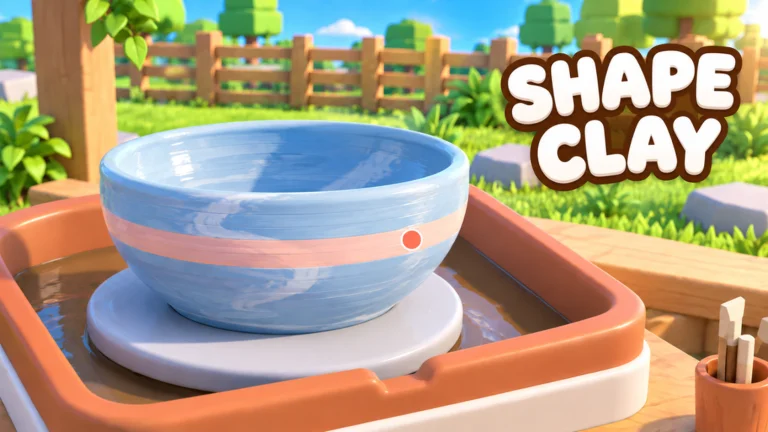
- Create Pottery clay is the core material behind every pot you shape, glaze, fire, and sell.
- Rare clay should be saved for high-value pieces, not routine production runs.
- Clay tier determines production value, sale potential, and progression speed.
- Rolling for rare clay is the main way to upgrade your material supply over time.
- Clay management matters as much as shop upgrades in the mid and late game.
How Clay Works in Create Pottery" title_short="Clay Basics
Clay is the starting point of the entire production loop in Create Pottery!, the relaxing Roblox pottery simulator by Team Lychee. Every piece begins as clay on the pottery wheel, and the clay you choose directly affects the potential value of the finished item. Common clay is easy to acquire and perfect for learning the workflow, while rarer clay types produce pottery that sells for considerably more in your shop.
The core loop looks like this: obtain clay, roll for rarer clay types when possible, shape on the pottery wheel, glaze, fire in the kiln, then sell. Because rare clay is limited, deciding when to use it is one of the most important resource decisions in the game.
Think of clay in two categories: production clay for daily income, and premium clay for special high-value runs. Separating these two uses early prevents wasting rare material on practice pieces.
| Clay Concept | What It Means | Why It Matters |
|---|---|---|
| Clay type | Determines base value of finished pottery | Higher-tier clay raises sale price |
| Acquisition | Rolling and collecting clay supply | Rarer clay takes longer to obtain |
| Usage timing | When you spend each clay type | Wasting rare clay slows progression |
| Pairing | Combining clay with glaze and shape | Premium clay deserves premium finishing |
Clay Tier List" title_short="Tier List
Not all clay deserves the same treatment. Judge each clay type by rarity, how hard it is to acquire, and the production value it creates. The tier list below helps you decide what to spend now, what to save, and what to reserve for your best pottery runs.
| Tier | Clay Type | Rarity | Acquisition Difficulty | Production Value | Recommended Use |
|---|---|---|---|---|---|
| S | Premium Clay | Highest | High | Highest | Save for high-value pottery and premium runs |
| A | Rare Clay | High | Medium to high | High | Process when glaze and kiln capacity allow |
| B | Uncommon Clay | Medium | Moderate | Moderate | Regular income and crafting practice |
| C | Common Clay | Low | Low | Low | Early-game pottery and learning the workflow |
S Tier: Premium
- Keep whenever possible
- Highest sale potential
- Reserve for best glaze combos
A Tier: Rare
- Use selectively
- Strong value when finished well
- Match with good decoration
B Tier: Uncommon
- Process regularly
- Reliable mid-game income
- Builds crafting experience
C Tier: Common
- Spend freely
- Perfect for practice shapes
- Fuels early routine sales
Do not burn rare or premium clay while you are still learning shape control. A poorly shaped pot wastes both the clay and the glaze you apply. Master your forms with common clay first.
Clay-to-Pottery Workflow" title_short="Workflow
Turning clay into income follows a fixed sequence. Follow it consistently so that every clay type you spend produces the maximum possible return.
Stock Up on Clay
Keep a healthy clay supply before starting any crafting session so you never interrupt a production run halfway through.
Sort by Tier
Separate common clay for routine pieces from rare clay reserved for high-value work. This habit alone improves efficiency.
Shape on the Pottery Wheel
Center the clay, build a stable main shape, and refine the rim before moving on. Shape quality is set at this stage.
Apply Glaze
Finish the surface with a glaze that matches the clay tier. Save your best glaze options for premium clay pieces.
Fire in the Kiln
Complete the firing stage to turn the prepared piece into a finished, sellable product.
Sell and Reinvest
Move finished pottery to your shop, sell it, and reinvest income into better clay access, upgrades, and employees.
Pair your clay spending with the stage of your business. Early game: sell everything from common clay. Mid game: process uncommon and rare clay with matching glazes. Late game: run premium clay through your best production setup.
Clay Strategy by Game Stage" title_short="Stage Strategy
Your clay priorities shift as your studio grows. The table below matches clay usage to each progression stage, combining material strategy with income goals.
| Stage | Best Clay Use | Cash Focus | Gems Focus |
|---|---|---|---|
| Early Game | Common clay, full production cycle | Build dependable cash flow from routine sales | Save gems for useful shop features |
| Mid Game | Uncommon and rare clay | Prioritize higher-value pieces, reinvest in production | Spend gems on repeatable income upgrades |
| Late Game | Premium and rare clay at scale | Combine premium sales with shop and employee revenue | Direct gems toward expansion and scale |
| Income Channel | Clay Dependency | Notes |
|---|---|---|
| Shop sales | Direct | Better clay means better sale prices |
| Phone Jobs | Indirect | Jobs often align with production you already do |
| Rare clay processing | Direct | Highest value per finished piece |
| Employee automation | Indirect | Employees keep clay flowing through the loop |
Clay strategy works best when paired with the shop upgrade path and employee hiring. Rare clay only reaches full value when production, sales, and staffing can keep up with it.
Clay Management Milestones:
- Separate clay stock into daily-use and premium reserves
- Master stable shaping with common clay before using rare clay
- Match glaze quality to clay tier on every piece
- Reserve rare clay for periods of active shop traffic
- Reinvest clay-driven income into production capacity upgrades
FAQ" title_short="FAQ
Q: What is the best clay in Create Pottery?
Premium clay sits at the top of the tier list with the highest rarity and production value. It is hard to acquire, so the best strategy is saving it for high-value pottery runs rather than routine pieces.
Q: Should I sell pottery made from common clay?
Yes. In the early game, common clay should be spent freely. Completing the full cycle of shaping, glazing, firing, and selling with common clay builds a dependable cash flow and teaches you the workflow.
Q: When should I use rare clay instead of saving it?
Use rare clay when you can finish the piece properly, meaning a stable shape, a matching glaze, and kiln capacity ready. Wasting rare clay on a rushed or poorly shaped pot is the most common mistake players make.
Q: Does clay type change how I shape pottery?
The shaping process on the pottery wheel stays the same, but higher-tier clay deserves more careful shaping. Take extra time centering and refining pieces made from rare or premium clay to maximize their sale value.